When visibility, resolution, or signal integrity limit your device’s performance, advanced optical engineering delivers the clarity and accuracy clinicians rely on. But a precision optical assembly is only half the problem. Our unique value is evolving optical systems into commercially manufacturable, FDA-compliant medical devices: designed, built, and scaled by one team, under one quality system.
and components assembled yearly
Manufacturing space across 6 global facilities
Optics rarely fails in isolation. It fails at the intersections: where the lens meets the mount, where photons become signal, where a bench prototype meets a sterilization cycle. Our teams have carried medical visualization and imaging systems across the full clinical spectrum, from endoscopes to retinal scanners, and through every one of those intersections to compliant, scaled production.
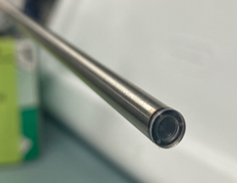
Endoscope optics demand extreme miniaturization without sacrificing image quality: objective lens assemblies, illumination delivery, and image signal chains that hold performance through sterilization cycles and thousands of procedures. We design and manufacture endoscope optical systems and surgical visualization platforms built for repeatable production.
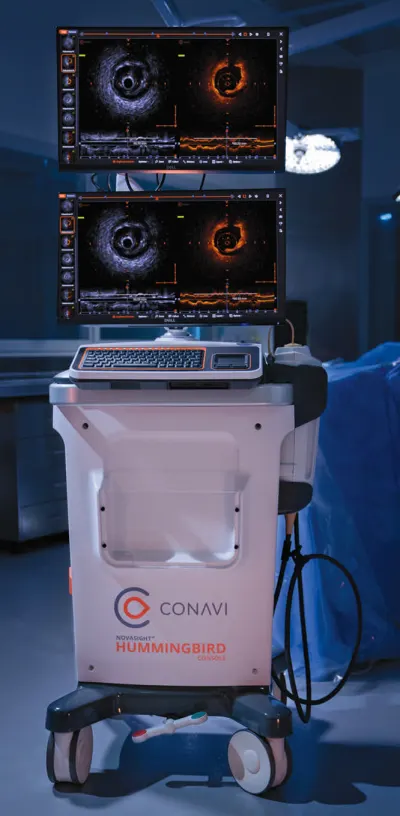
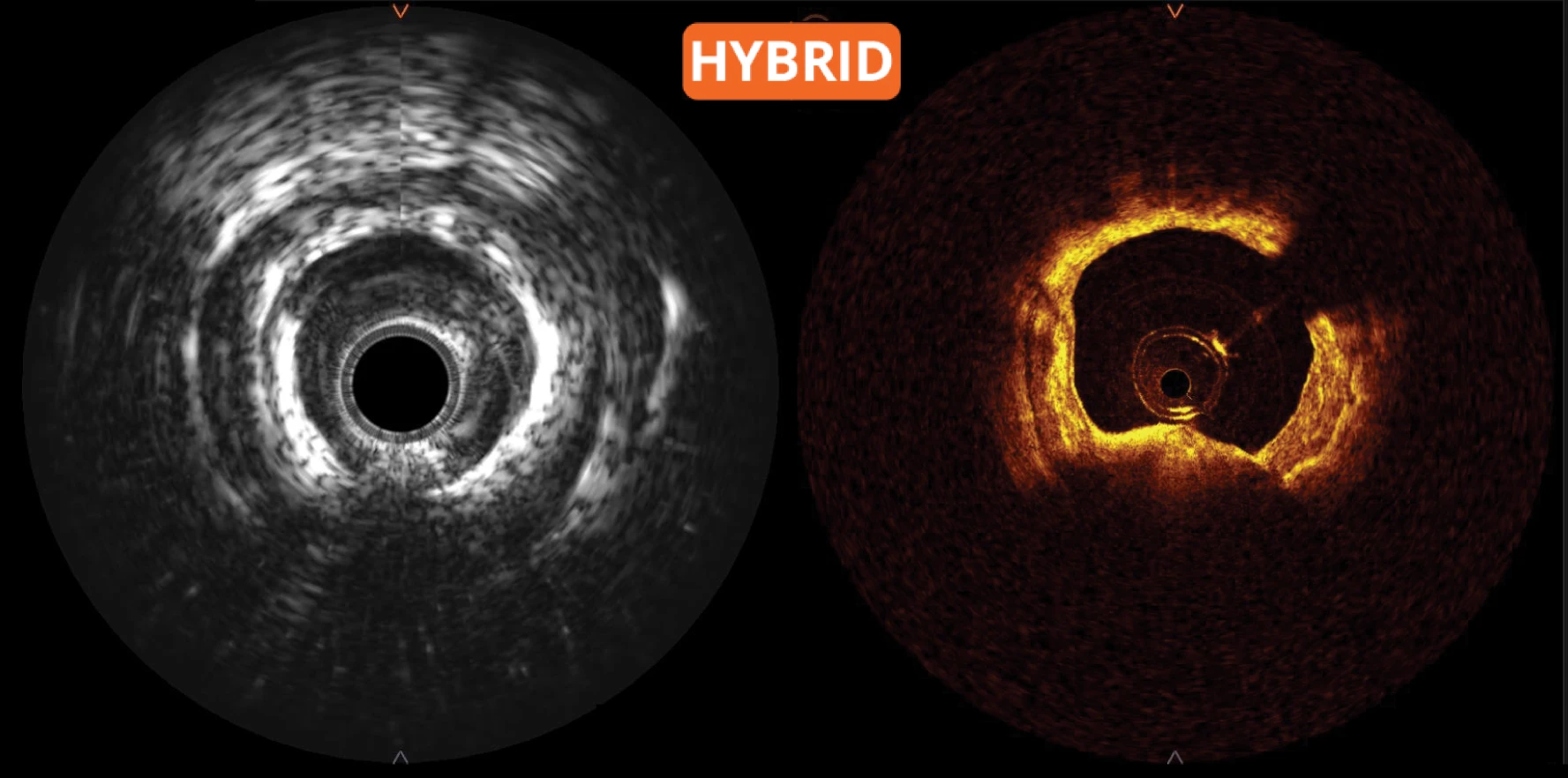
OCT and IVUS imaging push optics, precision mechanics, and signal processing to their limits inside catheter-scale packages. We support OCT imaging system and IVUS development from optical design through image signal chain optimization and scaled manufacturing.
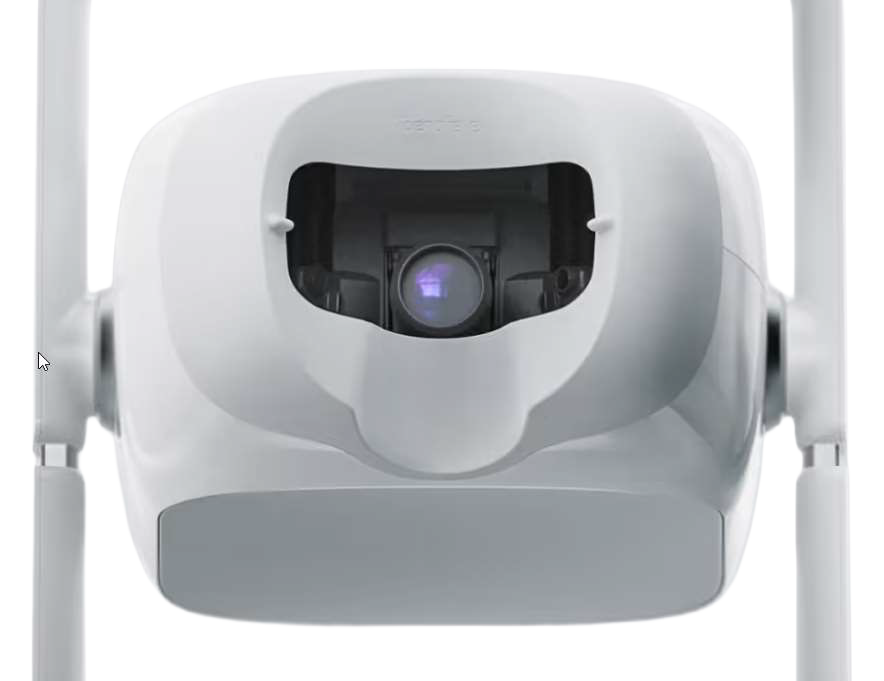
From fundus camera optics to scanning and OCT-based retinal imaging devices, ophthalmic systems demand wide fields of view, precise illumination, and exacting image quality standards, all of which our optical design and test teams verify with objective metrics at production volume.
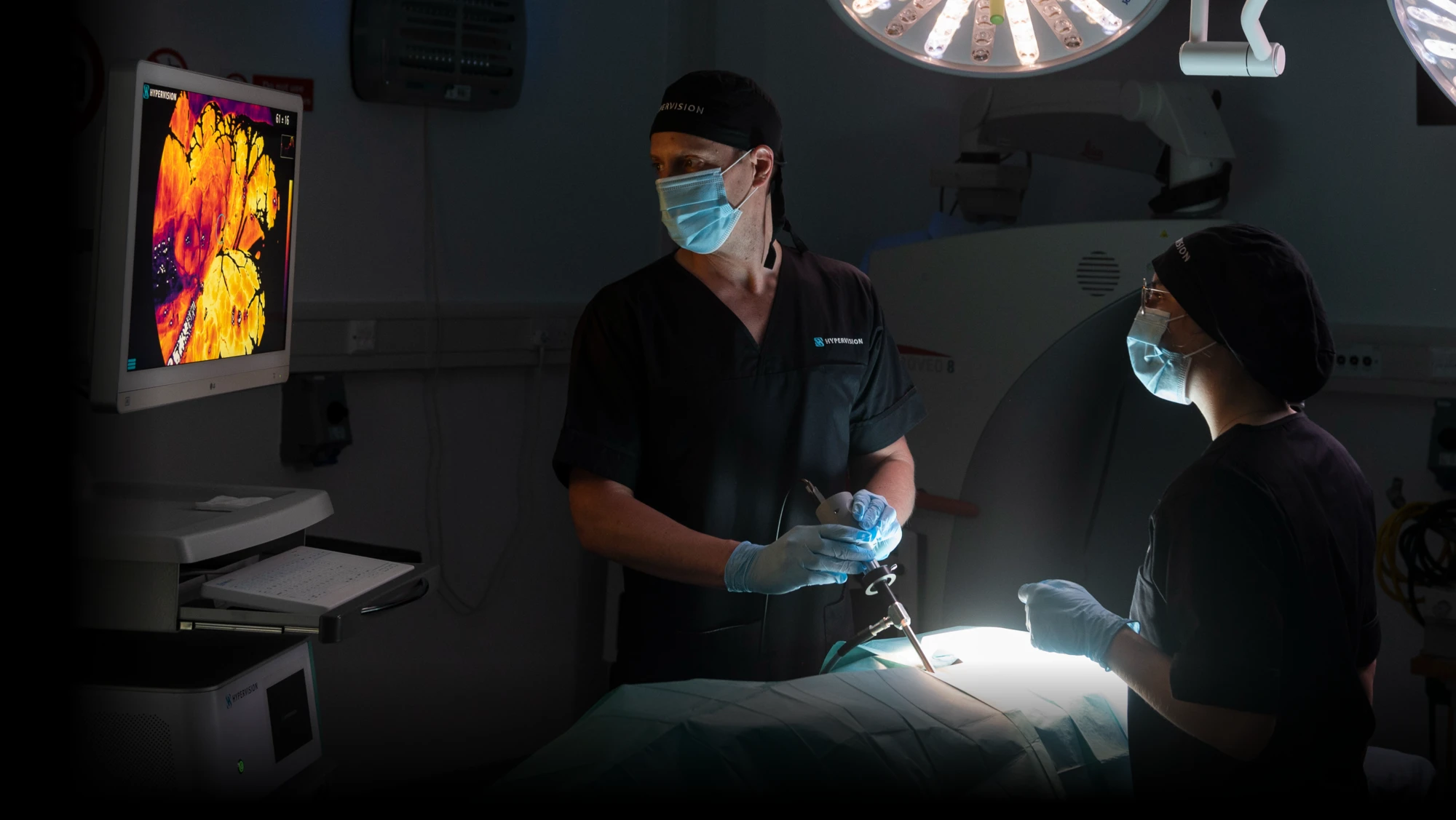
Perfusion imaging asks optics to see what the eye can’t: blood flow and oxygenation beneath the tissue surface, in real time. From near-infrared and fluorescence imaging to laser speckle techniques, we support tissue perfusion systems from source and sensor selection through signal chain optimization and scaled, compliant manufacturing.
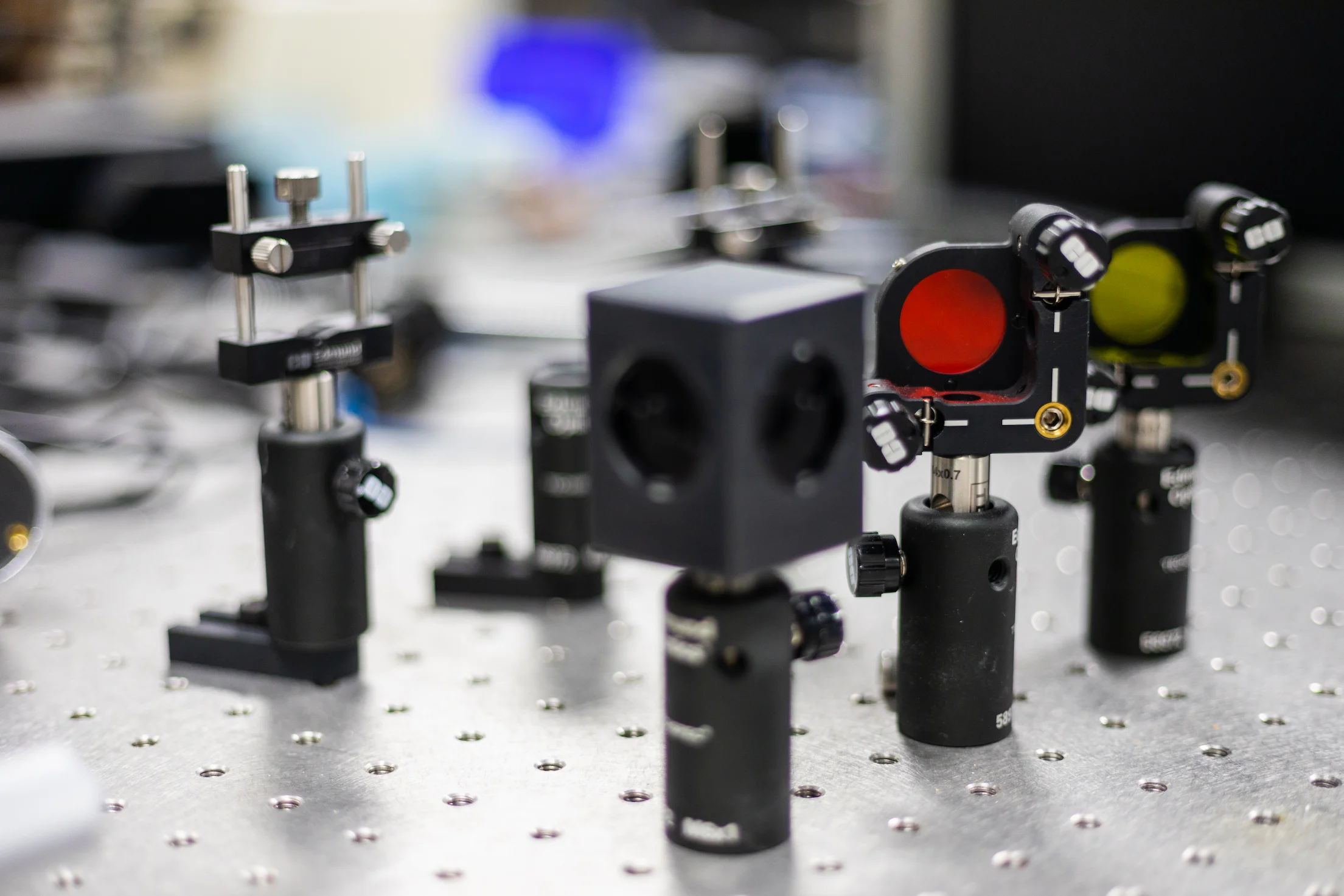
In multispectral and hyperspectral medical imaging, the illumination is the instrument: source selection, beam delivery, and light pattern optimization determine what the sensor can ever see. We engineer the full path from photon to signal, matching LED and laser sources, optics, and filters to the detection chain and image processing behind them, and carry that design through to repeatable, volume production.
The Forj Difference
No handoffs between disciplines means no queue between them either.
DFM is built in from day one, not bolted on after the fact.
A single accountable lead across the entire program, not five vendors to manage.
Enter at concept, prototype, or scale up. We take existing designs to production at any volume.
Design for Manufacturability
Plenty of companies can design, or even build, a precision optical assembly. Very few design for manufacturability from the first ray trace and carry it through to a regulatory-ready, scalable medical device.
DFM isn’t a step at the end of our process. It’s the thread that runs through every phase: sensitivities, error budget, tolerances, fixtures and build plan, iterated with the design on every pass. That’s how a design that performs on the bench becomes a device that performs on every unit, at any volume.
Optical Design · prototypes designed to be built
Optical System Tolerancing · an error budget the build can actually hold
Optomechanical Integration · engineered for repeatable assembly
Regulatory-Ready Manufacturing · a finished, compliant device
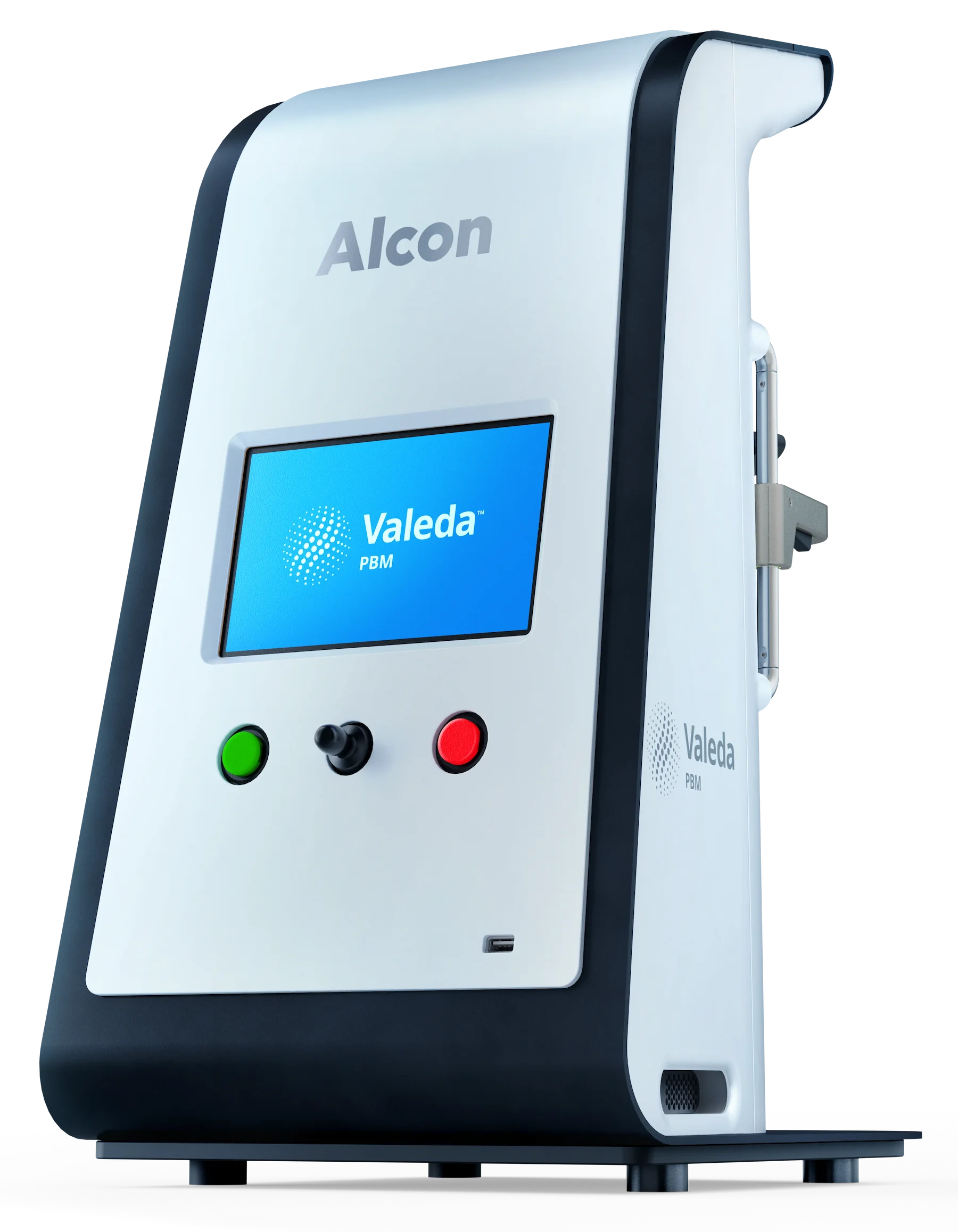
Optomechanical Design
It’s the whole discipline in one sentence. A perfect lens in the wrong position performs like a bad one, because position is a mechanical property. The mount makes the optics perform. That’s why optical and mechanical design can never be separated, and why our optomechanical design and optical engineering teams work as one group from day one.
Our optomechanical engineering capability covers precision component design and tolerancing, degrees-of-freedom and alignment analysis, optical and mechanical tolerance analysis, and design for manufacturability.
Capabilities
Most optical programs stitch together separate vendors for design, engineering, and production, and every handoff costs time and money. Forj Medical brings the full arc under one roof: optical engineering services, optomechanical design, electronics, image processing, and optical assembly manufacturing, delivered by one integrated team from first concept to scaled, regulatory-ready production. Wherever your program stands today, that’s where we start.
Requirements and feasibility studies, system architecture and trade-off analysis, concept modeling and simulation.
Multispectral and imaging system design, LED and laser system design, beam delivery, illumination design and light pattern optimization.
Precision component design and tolerancing, alignment analysis, design for manufacturability.
Sensor selection and configuration, photodiodes and analog signal chain, LED/laser drivers, design for regulatory, EMC and manufacturing.
HDR imaging and latency reduction, image enhancement, multi-modal stitching, GPU and FPGA acceleration. AI/ML-ready.
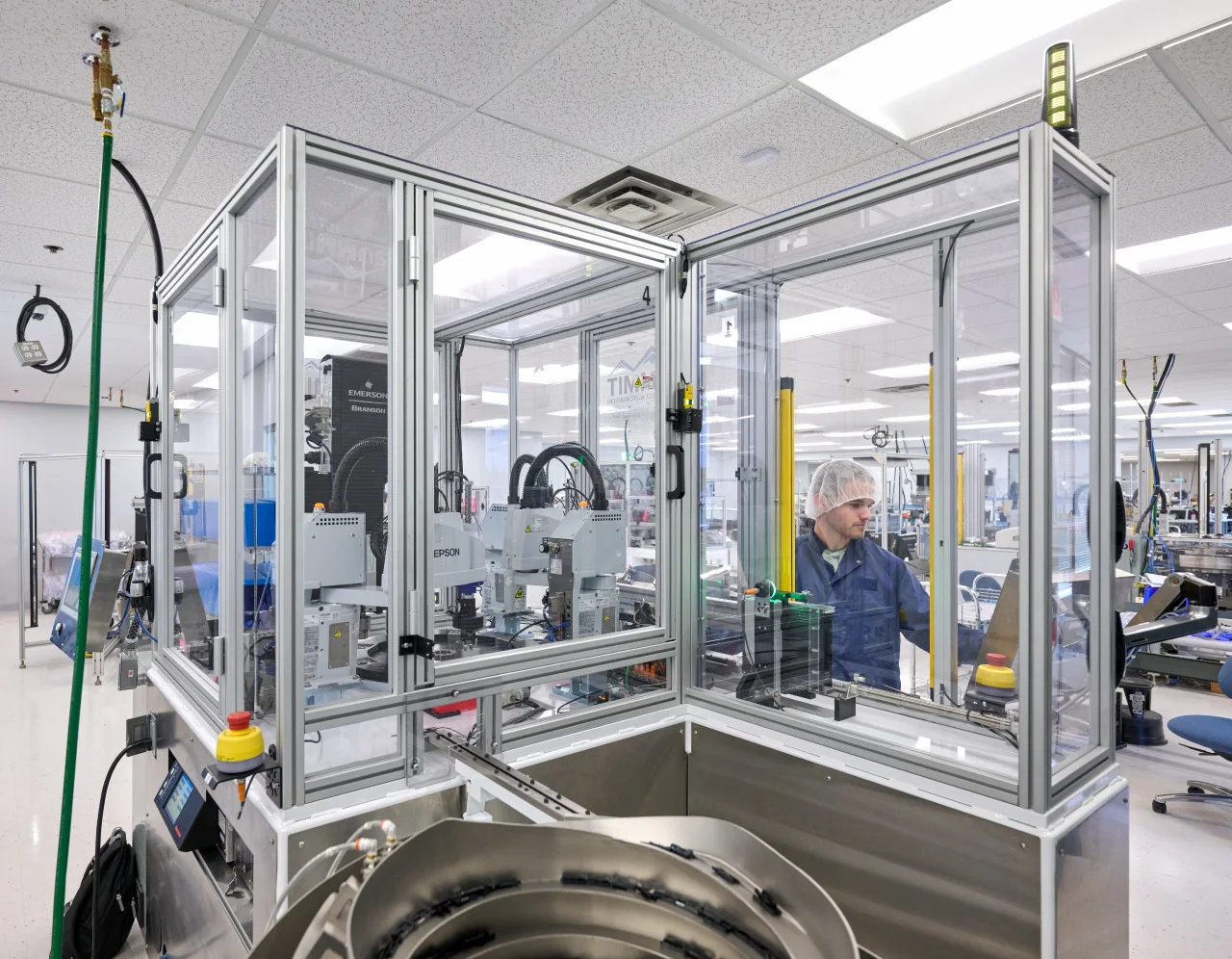
Cleanrooms, custom multi-DOF alignment systems, MTF, illumination, distortion and color accuracy testing, objective image quality metrics at scale.
Proven in production
How optical challenges became shipped, compliant devices.
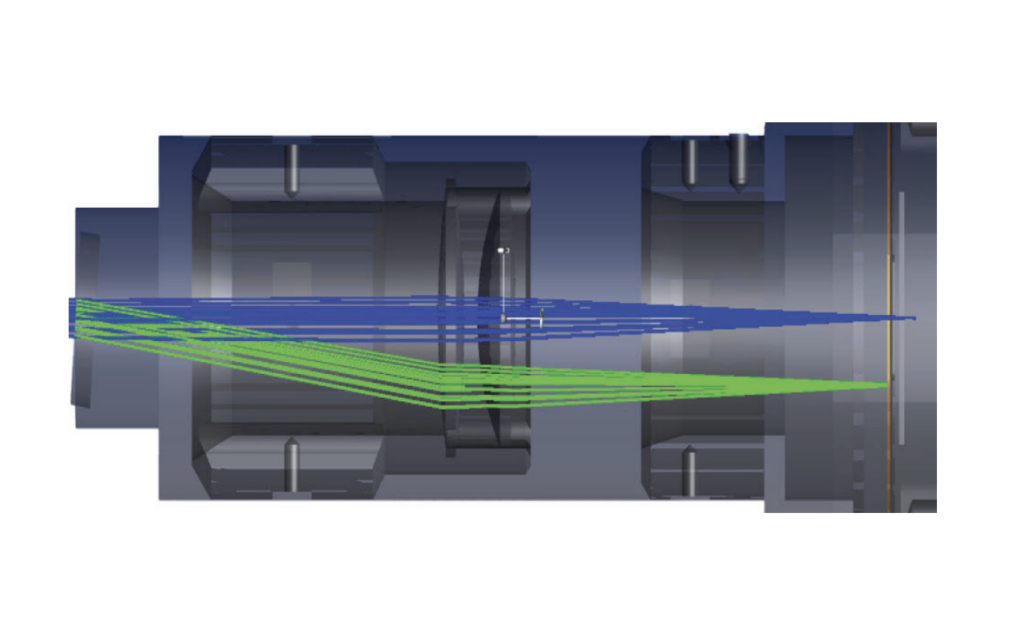
Thought Leadership
Perspectives from the engineers who take optical systems to production.
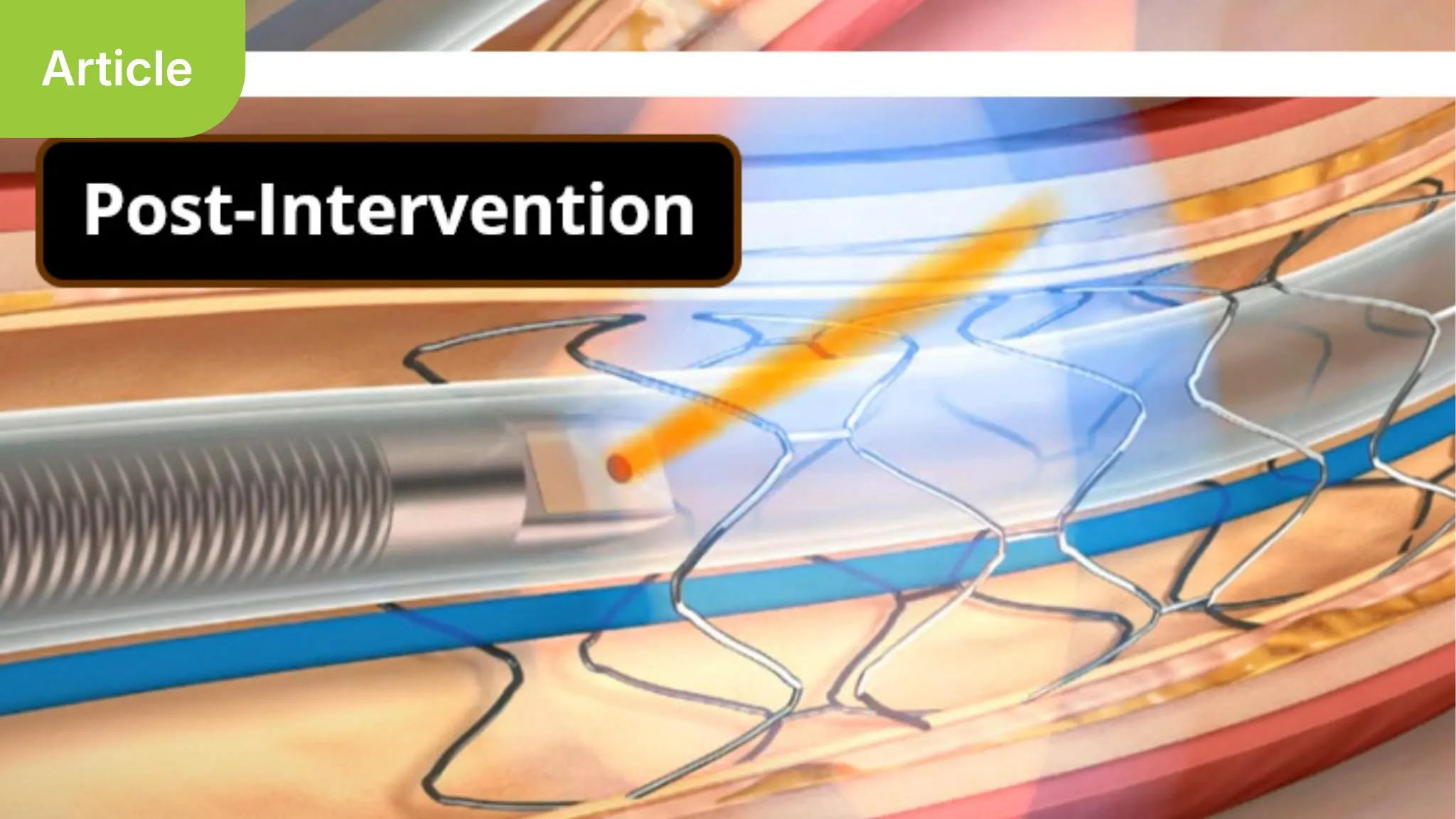
Forj Medical and Conavi Medical were featured in Med Tech Intelligence’s MTI Viewpoints series on the development of their next-generation...
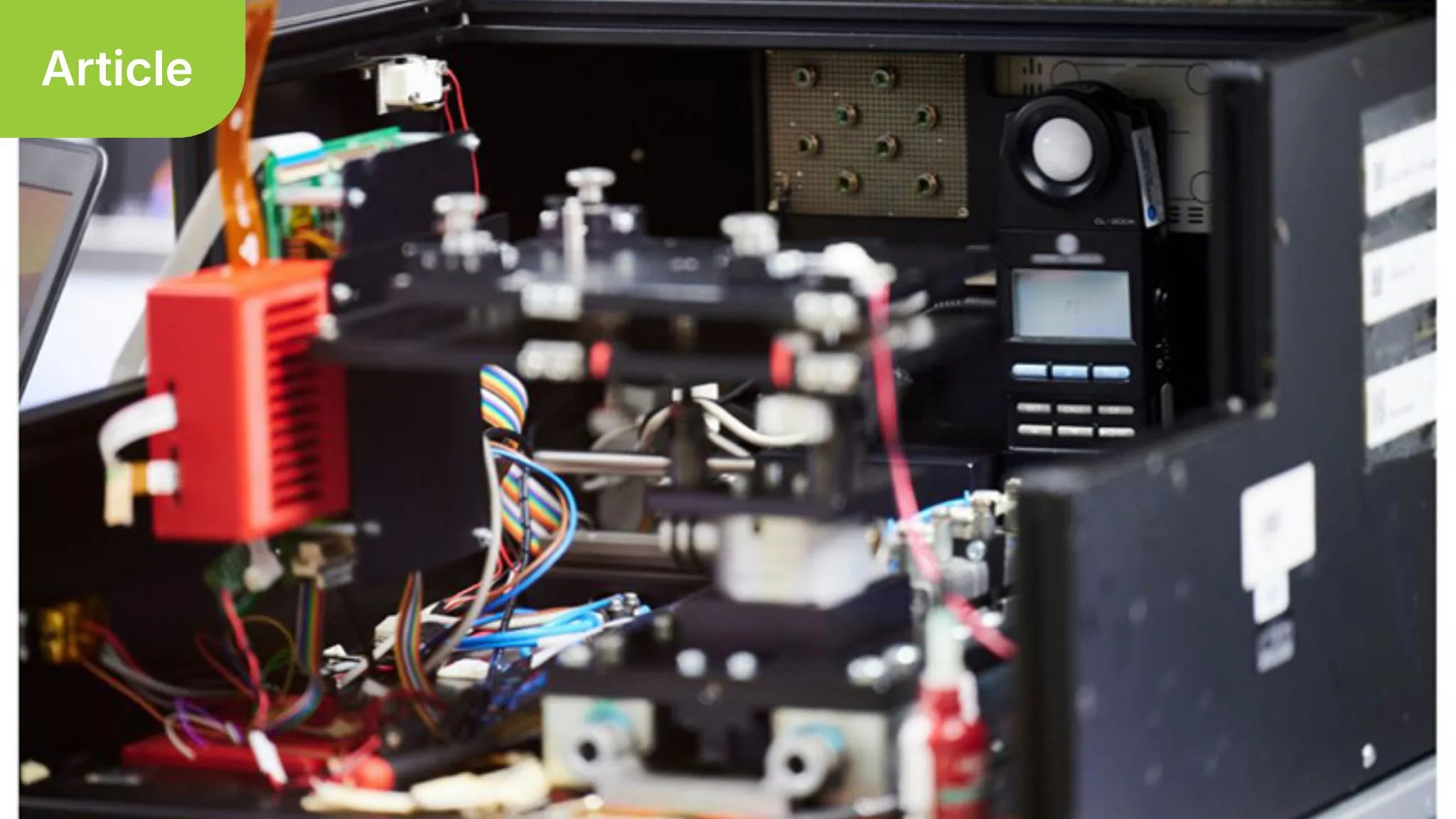
Forj Medical’s Nick Smith was featured recently in Medical Design & Outsourcing magazine for his article on design for manufacturing (DFM) strategies...
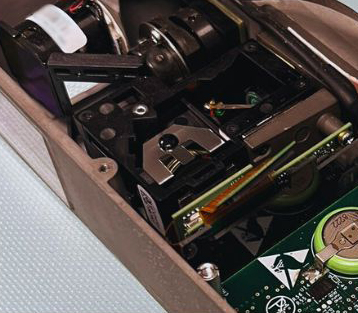
Optomechanical design is the engineering discipline that holds optics in exactly the right position, under real-world conditions, on every manufactured unit. It spans component design, tolerancing, alignment analysis, and fixturing, and it’s inseparable from optical design itself: a perfect lens in the wrong place performs like a bad one.
Yes. We enter at concept, prototype, or scale-up. Many programs come to us with a validated optical assembly that needs DFM, regulatory-ready manufacturing, and a path to volume, and that transition is exactly what we’re built for.
Design for manufacturability from the first ray trace: sensitivity analysis, error budgeting, tolerancing, and fixture design iterated alongside the optical design, then carried through cleanroom assembly, objective image quality testing (MTF, illumination, distortion, color accuracy), and quality systems built for FDA submission.
Yes. Our facilities produce over 70,000 units per year of a single optical assembly, within a manufacturing network that assembles 250M+ devices and components annually across six global facilities, all under ISO 13485 and FDA QSR.
Please fill out the form below for unlimited access to all of our case studies.
You now have access to all of our case studies.
Please reach out to us if you’d like to connect with a Forj Medical team member to learn more about any of our case studies or have a specific question to ask.
Join the team behind medical breakthroughs.